

What are superfoods?
A superfood is a nutrient-dense, mostly plant-based food that delivers an unusually high concentration of beneficial compounds, vitamins, minerals, fibre and bioactives, relative to the calories it contains. In other words - a lot of nourishment in a small package.
That's the short answer. The longer, more interesting one is that "superfoods" are so much more than just a buzzword. This guide breaks down what superfoods really are, the science that sits underneath them, and how to add them to your day.
How do foods become labelled 'super'?
"Superfood" is a popular term, not a regulated or scientific one. No official body defines it, and a food doesn't earn the label by passing a test. It's a useful shorthand for foods that punch well above their weight nutritionally.
What these foods have in common is density and diversity: they're rich not just in well known nutrients like vitamin C or iron, but in a wide range of plant compounds that ordinary foods contain in much smaller amounts. So while the word is informal, the thing it points to is real: some foods genuinely do more for your body than others, gram for gram.
A big part of the reason they do comes down to a group of compounds you may not even have heard of: bioactives.
Introducing Bioactives
Beyond the vitamins and minerals we are already familiar with and superfoods contain in spades, plants also produce thousands of other compounds, and these are where the "super" really lives.
A bioactive compound is any naturally occurring substance in food that has an effect on the body. They aren't vitamins or minerals (the nutrients your body strictly needs to function). Instead, they're compounds plants make for their own reasons (to attract pollinators, deter predators, or protect themselves from the sun) that happen to interact beneficially with human biology too.
A simple way to understand this is:
- Vitamins and minerals are the things your body needs to run. Without them, systems fail.
- Bioactives are more like the things that help it run better: nature's fine-tuning mechanisms, working quietly on how we age and how resilient we are.
Unlike vitamins, bioactives don't yet have official recommended daily amounts, and most aren't classed as essential nutrients in a strict sense. But the research into them is extensive and growing fast. Superfoods are, in essence, simply foods that happen to be especially rich in these compounds.
Bioactives, polyphenols, antioxidants: what's the difference?
These three words get used as if they're interchangeable. They're not, and untangling them is the single clearest way to understand superfoods. Here's how they nest inside each other:
|
Term |
What it is |
In plain English |
|---|---|---|
|
Bioactives |
The broadest category: any natural plant compound with a biological effect on the body. |
The whole family - includes thousands of molecules. |
|
Polyphenols |
A specific family of bioactives, defined by their chemical structure (includes flavonoids, phenolic acids and others). Most plant bioactives are polyphenols. |
A large, well-studied branch of the family. |
|
Antioxidants |
Not a type of compound at all, but a function. Many polyphenols act as antioxidants, but that's only one of the things they do. |
Something a compound does, not a thing it is. |
That last row matters. "Rich in antioxidants" describes an activity a compound may have. "Rich in polyphenols" tells you something concrete about a food's actual chemistry. Polyphenols don't only mop up free radicals, they also influence inflammation, feed beneficial gut bacteria, and interact with enzymes in ways that have nothing to do with their antioxidant role. The antioxidant story is part of what makes them interesting, but not the whole story.
So when you see specific bioactives named (flavanols in cacao, anthocyanins in hibiscus and acai, polyphenols in moringa and baobab), you're looking at the real, measurable substance behind the "superfood" label.
Are superfoods actually backed by science?
Yes, though it's worth being precise about what the science does and doesn't say.
For most of the 20th century, nutrition science focused on preventing deficiency: getting enough vitamins and minerals to avoid illnesses like scurvy and rickets. But that left a big question unanswered. Why do people who eat more plants consistently enjoy better long-term health, even once their vitamin and mineral intake is accounted for?
Researchers now believe much of the answer lies in bioactives. Large population studies have repeatedly found that diets rich in fruit, vegetables, wholegrains and legumes are associated with lower rates of cardiovascular disease, type 2 diabetes and other chronic conditions. The bioactives in those foods, working across many biological pathways at once, appear to be a meaningful part of why.
What that does not mean is that a single spoonful of any food is a treatment for anything. The evidence points to a pattern: a diet consistently rich in diverse plant bioactives, over months and years, supports the biological environment in which good health is more likely. Think of it like going to the gym: benefits build through daily habit, not overnight.
What are the different formats superfoods come in?
The benefits of superfoods don't only come on a plate. The same goodness shows up in a few different formats:
- Whole superfoods. The foods themselves: berries, leafy greens, nuts, and the like. Wonderful, but they take planning, prep, and tend to wilt in the fridge before you get to them.
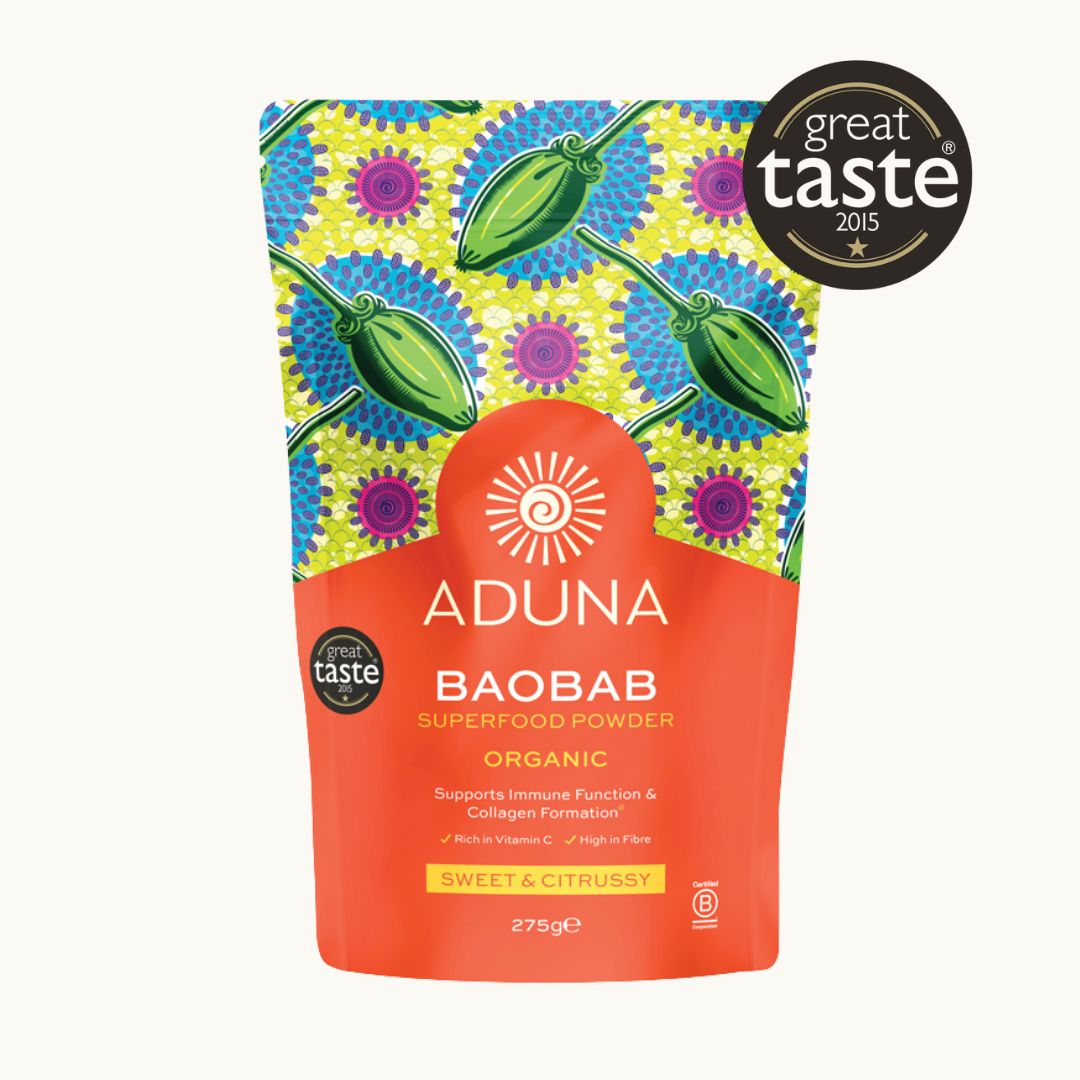
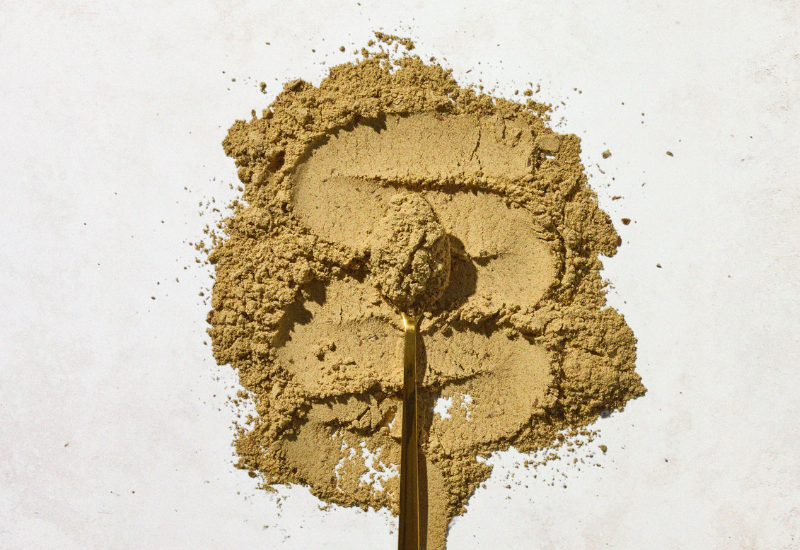
- Superfood powders. Plant ingredients dried and ground into a fine powder that keeps their nutrients intact and shelf-stable. You can stir, shake or sprinkle them into water, smoothies or breakfast. Aduna's range began with baobab, hand-harvested from wild trees in rural Africa, cracked open and milled into powder.
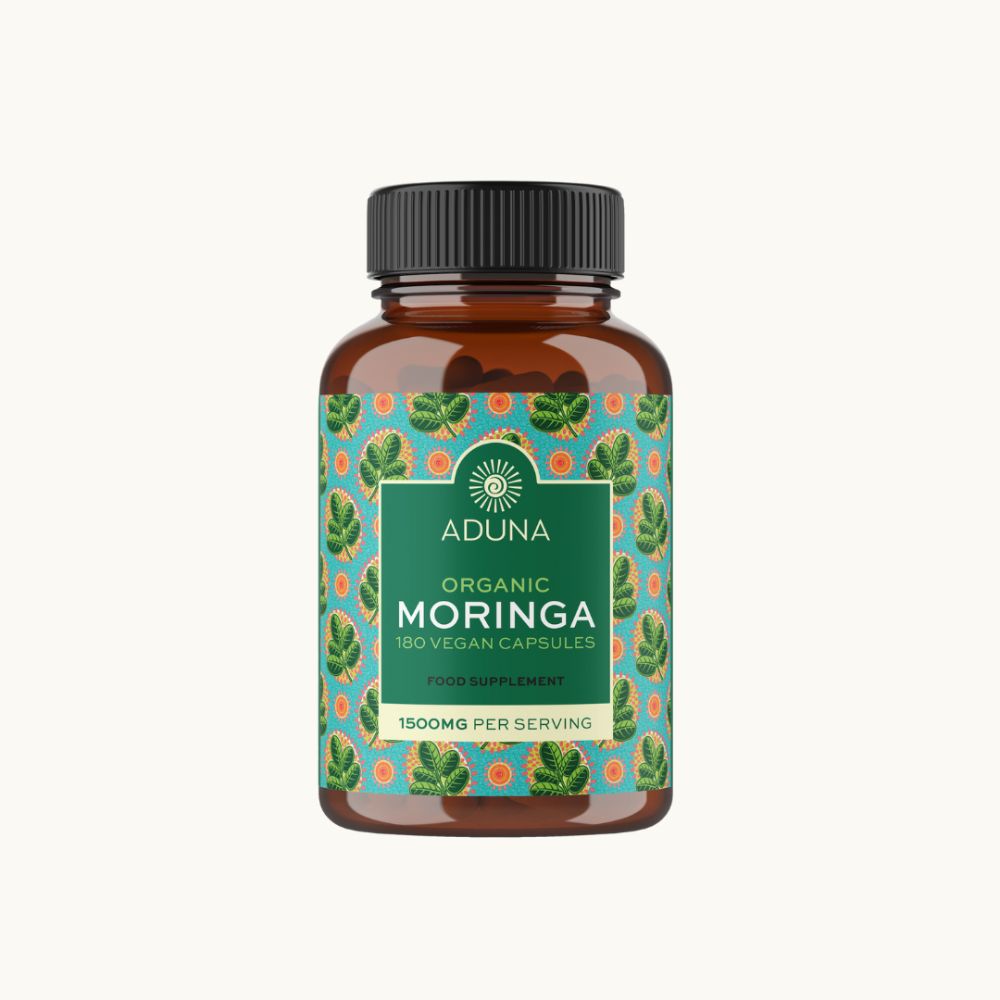
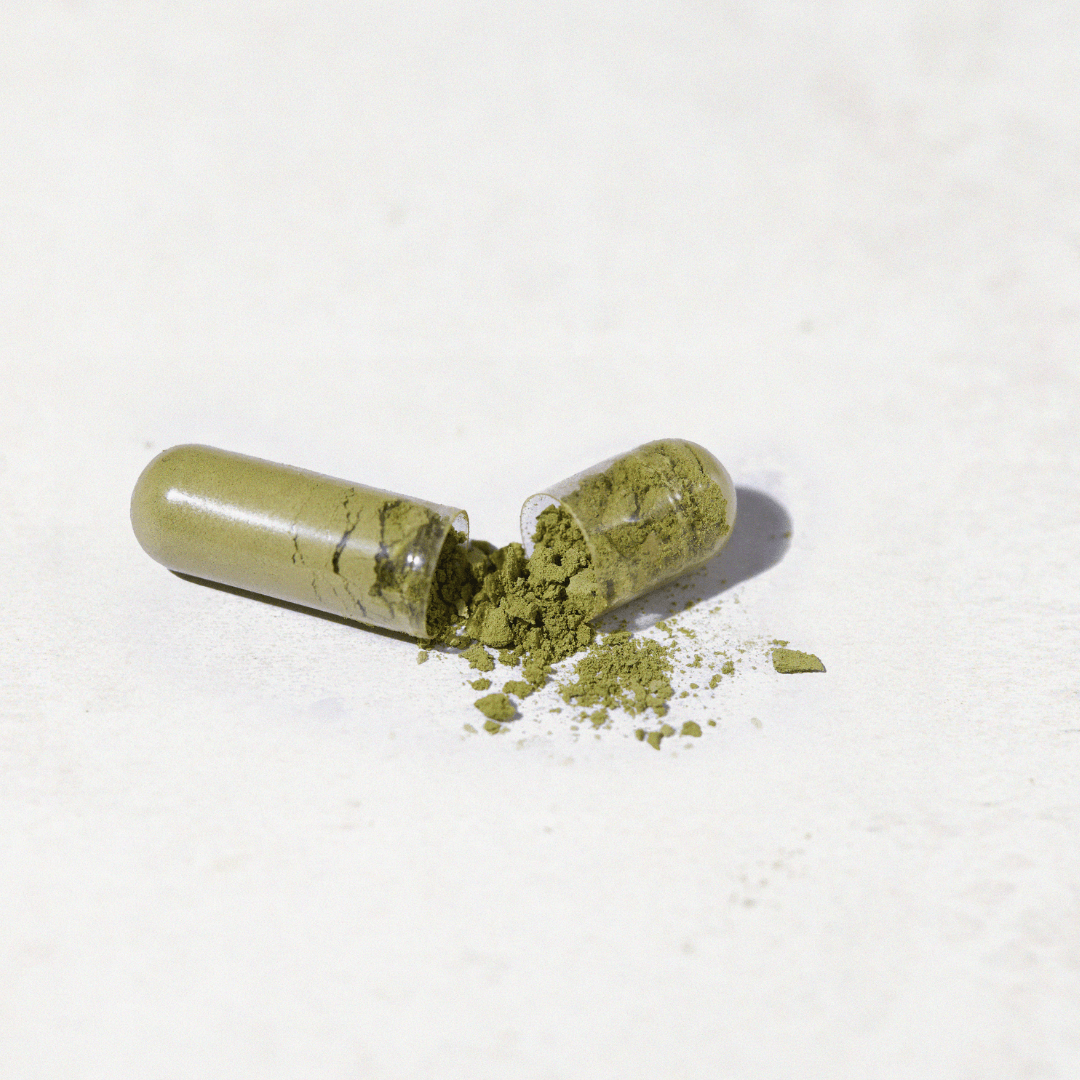
- Superfood supplements (capsules). The same nutrient-dense ingredients in a capsule, for when convenience matters most. Our Moringa Capsules are an easy daily option.
There's no single "best" format. It's whichever one you'll actually use every day. Consistency is what counts.
10 everyday superfoods you probably already have
"Superfood" can sound exotic and expensive, but plenty are already in your kitchen:
- Spinach
- Berries (blueberries, blackberries)
- Eggs
- Nuts
- Garlic
- Ginger
- Avocado
- Sweet potato
- Mushrooms
- Kale
The ingredients Aduna works with sit in the same camp. They're simply some of the most bioactive-rich foods on earth, drawn from plants that have nourished communities for centuries.
Aduna's superfoods, up close
Each ingredient we source is chosen for its nutritional richness. Here's what's actually inside the hero few, described factually, with the research that makes them worth knowing about.
Baobab: exceptional vitamin C and prebiotic fibre
Baobab fruit pulp contains one of the highest natural concentrations of vitamin C of any food, roughly six times that of an orange by weight, alongside polyphenols and an unusually high fibre content. A meaningful share of that fibre acts as a prebiotic, reaching the large intestine where research has explored its role in feeding beneficial gut bacteria. Its tartaric acid also gives it a naturally low glycaemic effect.
Moringa: a broad spectrum of polyphenols
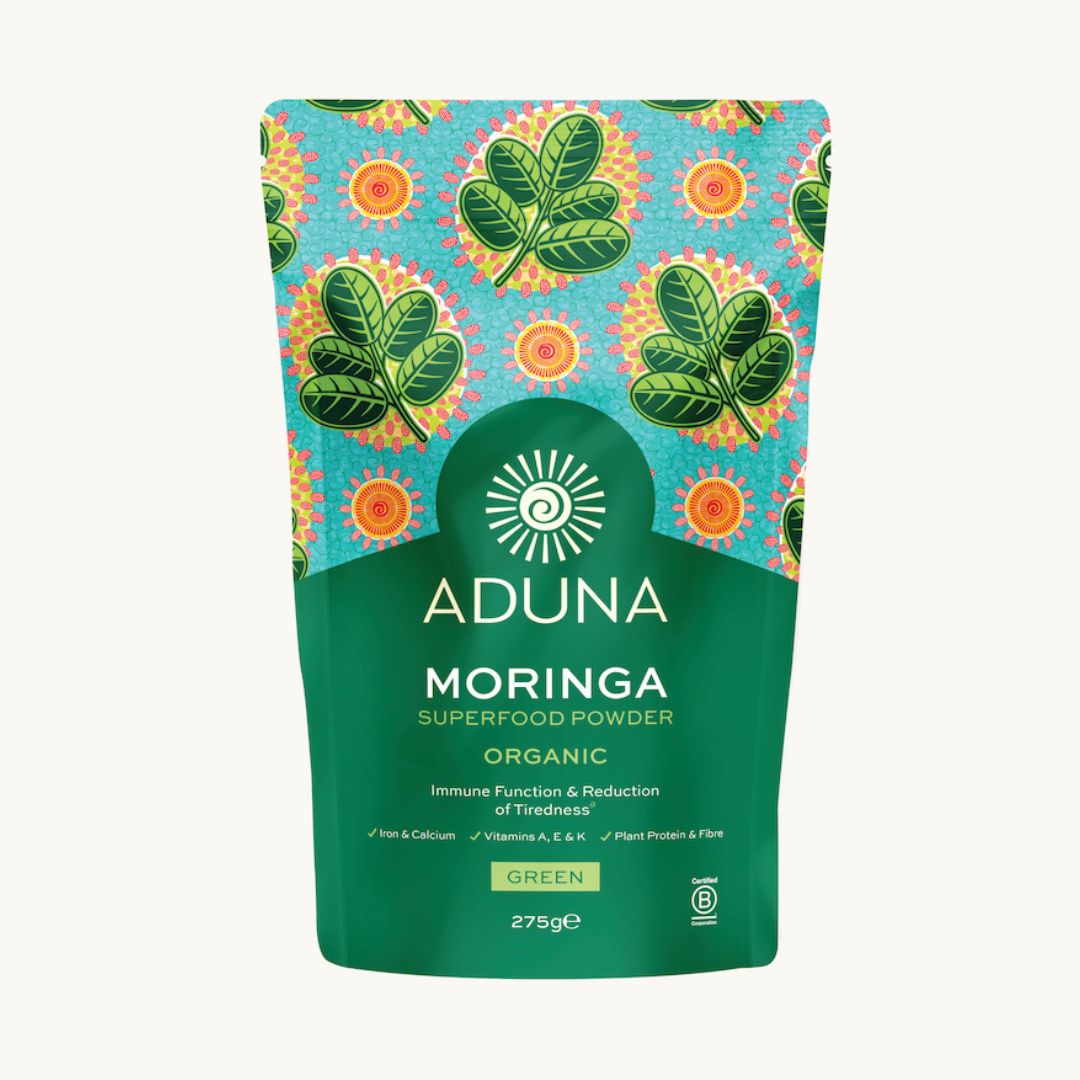
Moringa leaf is remarkable for its breadth: a genuine source of vitamins and minerals and a rich source of polyphenols, including the well-studied flavonoids quercetin and kaempferol, plus chlorogenic acid. It also contains isothiocyanates: compounds, also found in broccoli, that researchers study for their role in switching on the body's own antioxidant defences (the Nrf2 pathway).
Cacao: flavanols with serious research behind them
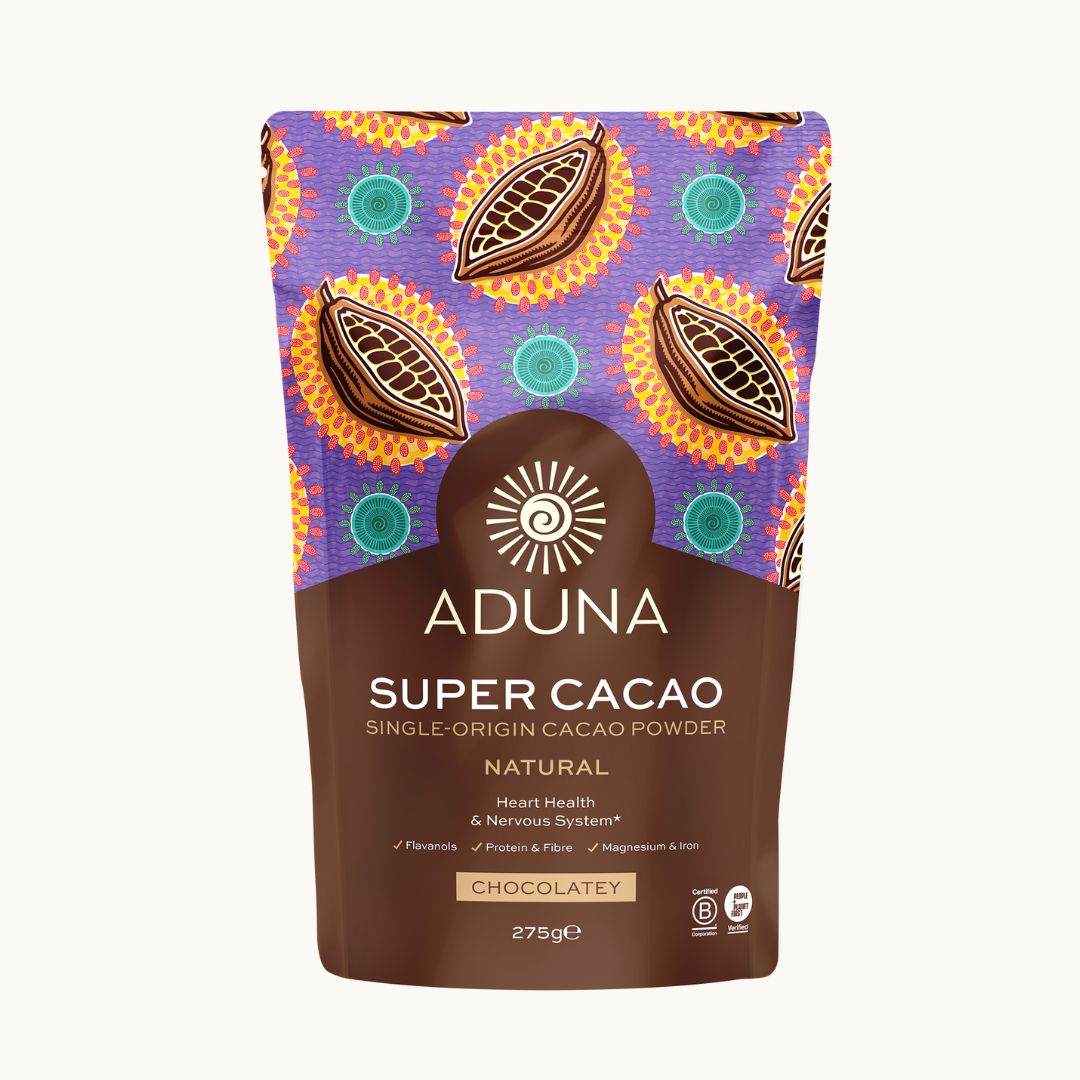
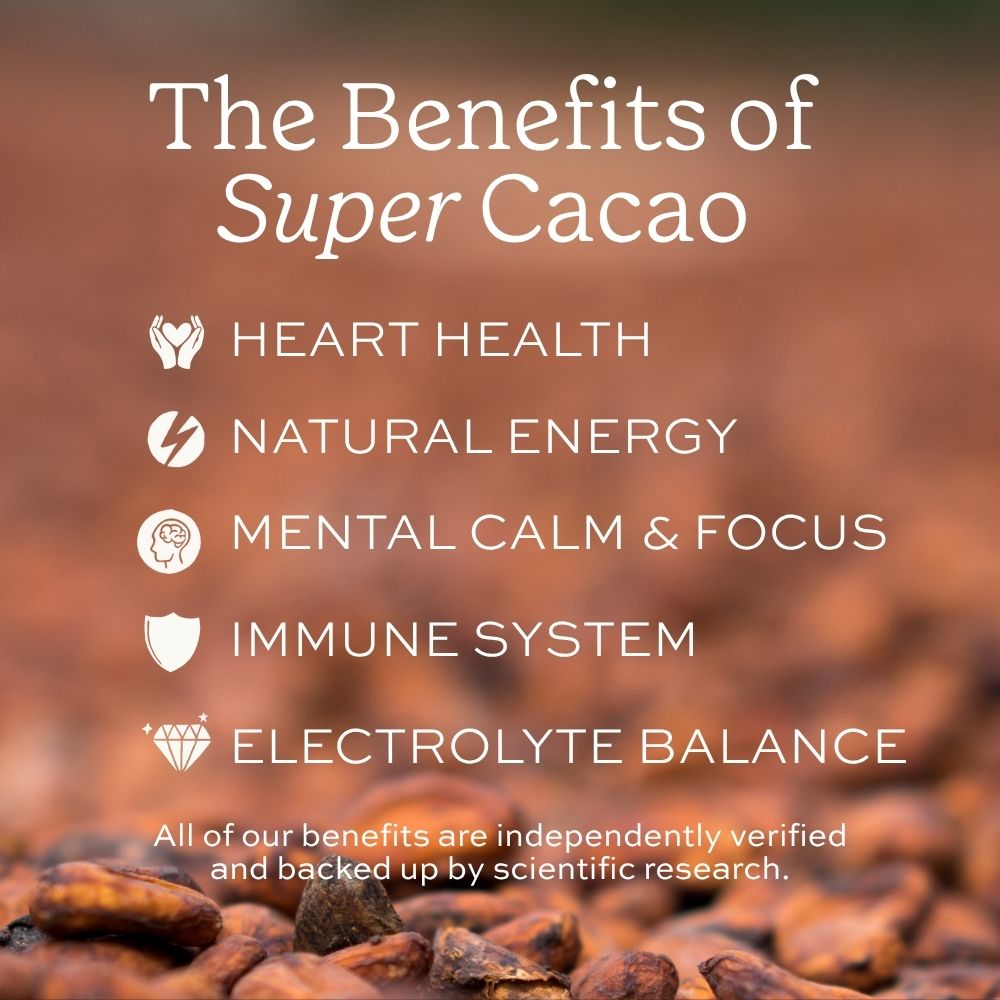
Of all the superfoods, cacao arguably has the deepest body of human clinical research, thanks to its flavanols (principally epicatechin and procyanidins). The landmark COSMOS trial, led by an affiliate of Harvard Medical School and enrolling over 21,000 people, is one of the largest studies ever run on a dietary compound and continues to generate findings on flavanols, cognition and cardiovascular health. Raw cacao is also a notable source of magnesium and theobromine.
Hibiscus: anthocyanins behind the crimson colour
Hibiscus gets its vivid red from anthocyanins (delphinidin- and cyanidin-3-sambubioside), the same class of pigment-bioactives that colour acai and blueberries. It's among the more studied botanicals in cardiovascular research, alongside organic acids that give it its characteristic tartness.
How to get more superfoods in your day
The science is consistent on one point: it's the daily habit that does the work, not the heroic one-off. A few easy ways in:
- Stir a teaspoon of baobab into water, juice or a smoothie for a tart vitamin-C lift.
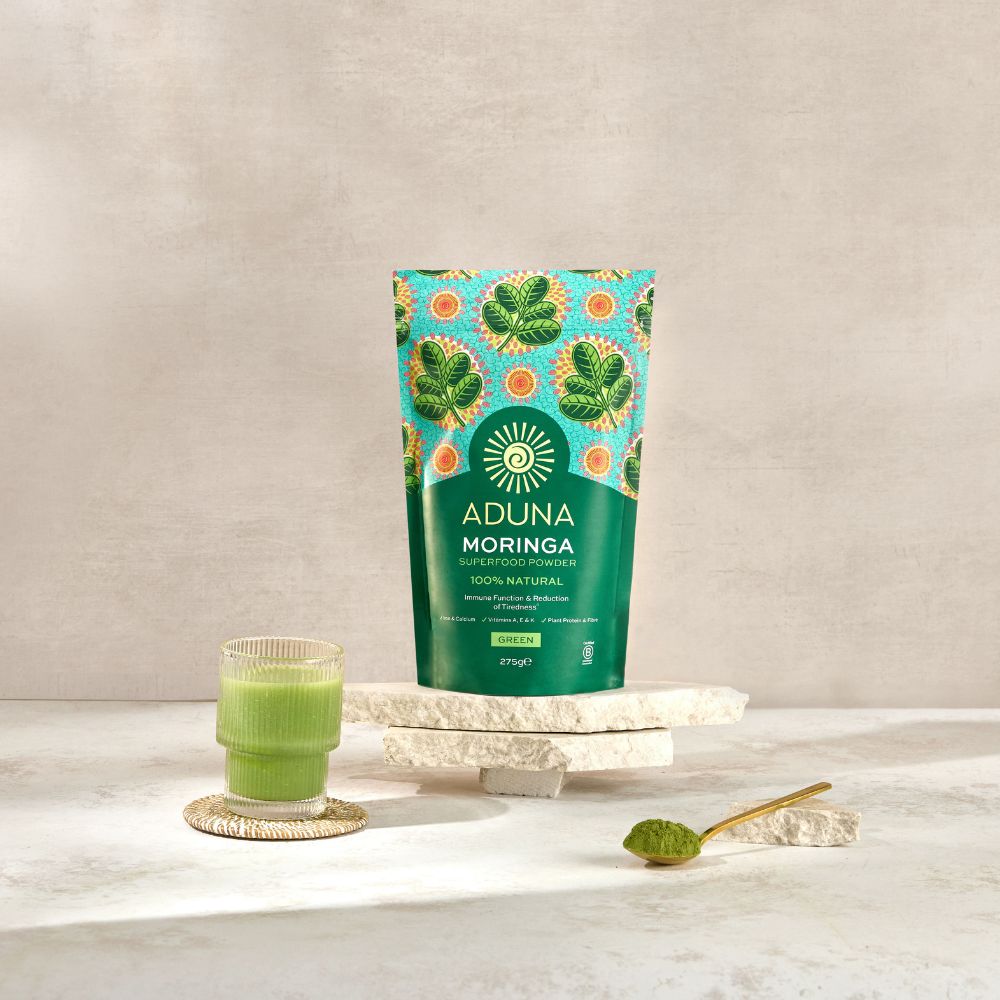
- Add moringa to a morning smoothie or sprinkle over breakfast.
- Swap your afternoon hot chocolate for cacao blended with your milk of choice.
- Brew hibiscus as a ruby-red tea, hot or iced.
Not sure where to start? Take our 60-second routine finder for a personalised recommendation based on your goals.
The Aduna difference
Where a superfood comes from, and how it's processed, matters as much as what's in it. Aduna is a B Corp-certified brand that sources directly from a network of small-scale producers globally, with FairWild certification on our wild-harvested ingredients and third-party batch testing for quality. The aim is simple: the most potent, intact versions of these compounds, sourced in a way that's good for the people and places they come from.
Frequently asked questions
Is "superfood" a scientific term?
No. It's a popular, informal label rather than a regulated or scientific classification. The foods it describes are genuinely nutrient-dense, but no official body certifies a food as "super."
What are bioactives?
Bioactives are naturally occurring plant compounds that have a biological effect on the body. They're distinct from vitamins and minerals: rather than being nutrients your body requires, they're compounds that appear to help your body function better. Polyphenols are the largest, best-studied family of them.
What's the difference between polyphenols and antioxidants?
Polyphenols are a type of compound. "Antioxidant" describes a function, neutralising free radicals, that many polyphenols can perform. So a polyphenol may act as an antioxidant, but it usually does other things too, like influencing inflammation and gut bacteria.
Are superfoods actually good for you, or is it just marketing?
The pattern in the research is clear: diets consistently rich in diverse plant bioactives are strongly associated with better long-term health. The honest caveat is that no single food is a cure or quick fix. The benefit comes from regular, varied intake over time.
Are superfood powders as good as fresh food?
Quality powders preserve the nutrients and bioactives of the whole ingredient in a shelf-stable, convenient form. The best format is whichever one you'll use consistently. Daily habit matters more than format.
Which Aduna superfood should I start with?
Baobab is a popular, versatile entry point thanks to its mild tartness and vitamin C. If you'd like a tailored suggestion, our routine finder recommends a starting point based on your goals.